
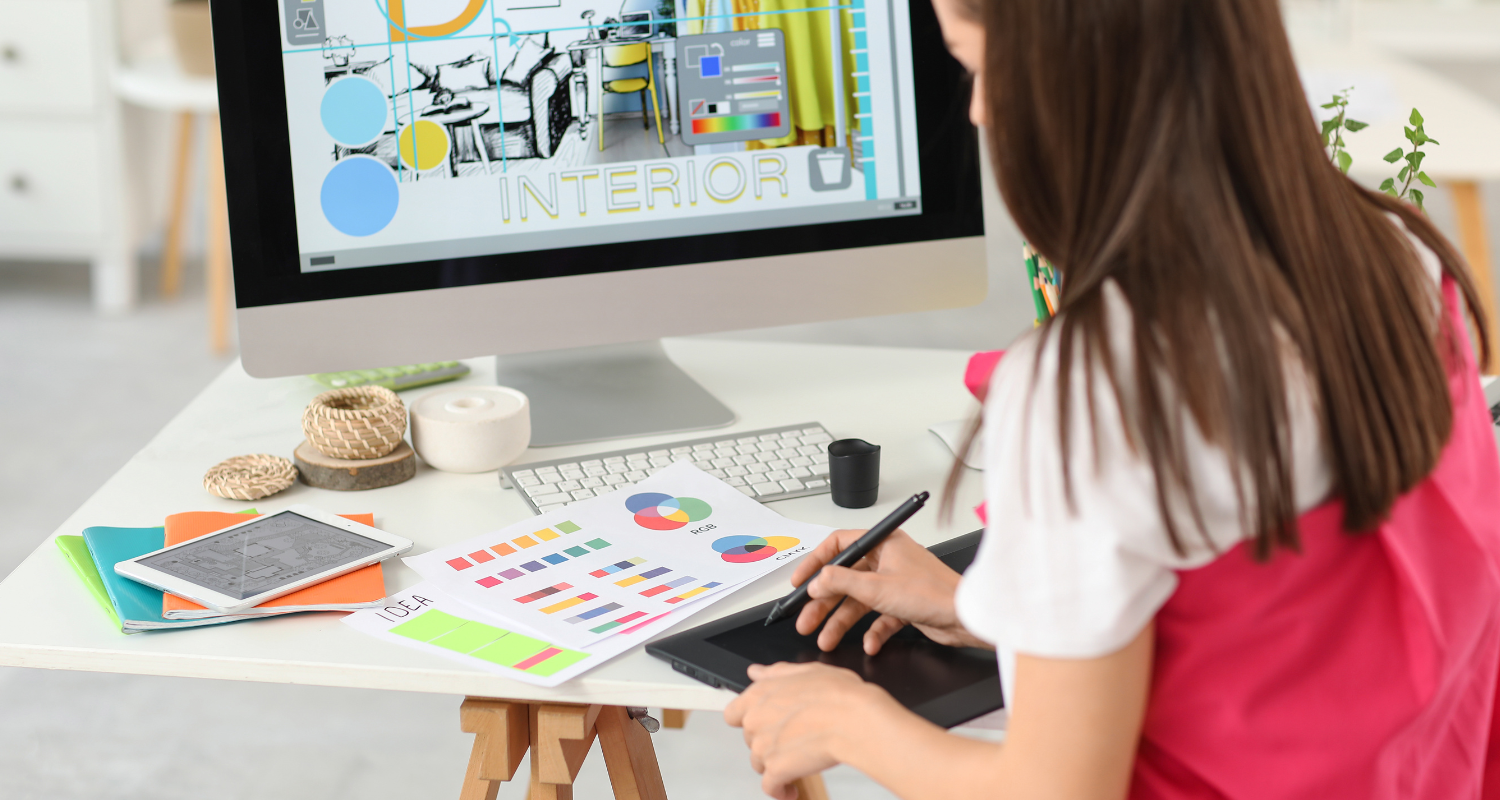
Design is more than making things look beautiful — it is the skill of communicating ideas clearly and creatively. In the digital age, children are surrounded by visual content: websites, apps, videos, and social media posts. Learning how design works helps them move from simply consuming content to creating meaningful visuals of their own. When students understand color, typography, layout, and storytelling, they gain a powerful new language for expression.
Research from Stanford University highlights that visual thinking strengthens memory retention and comprehension. When students combine text, images, and structure thoughtfully, they process information more deeply. Design activities activate both analytical and creative parts of the brain, encouraging flexible thinking and innovative problem-solving.
Digital tools such as Canva and Adobe make professional-level design accessible to young learners. With intuitive interfaces and templates, students can quickly experiment with layouts, colors, and compositions. However, the goal is not just to use templates — it is to understand why certain designs work better than others. This builds critical design thinking rather than simple tool usage.
Creative digital design also builds confidence and collaboration skills. According to education research supported by UNESCO, project-based creative learning increases student engagement and communication abilities. When children create posters, presentations, branding concepts, or digital art projects, they learn to present ideas clearly and receive constructive feedback — skills that are essential in almost every future career.
Ultimately, designing with creativity and digital tools empowers young minds to express ideas visually, solve communication challenges, and build a strong digital identity. Whether they later pursue careers in marketing, technology, media, or entrepreneurship, the ability to design thoughtfully and creatively will remain a lifelong advantage.