
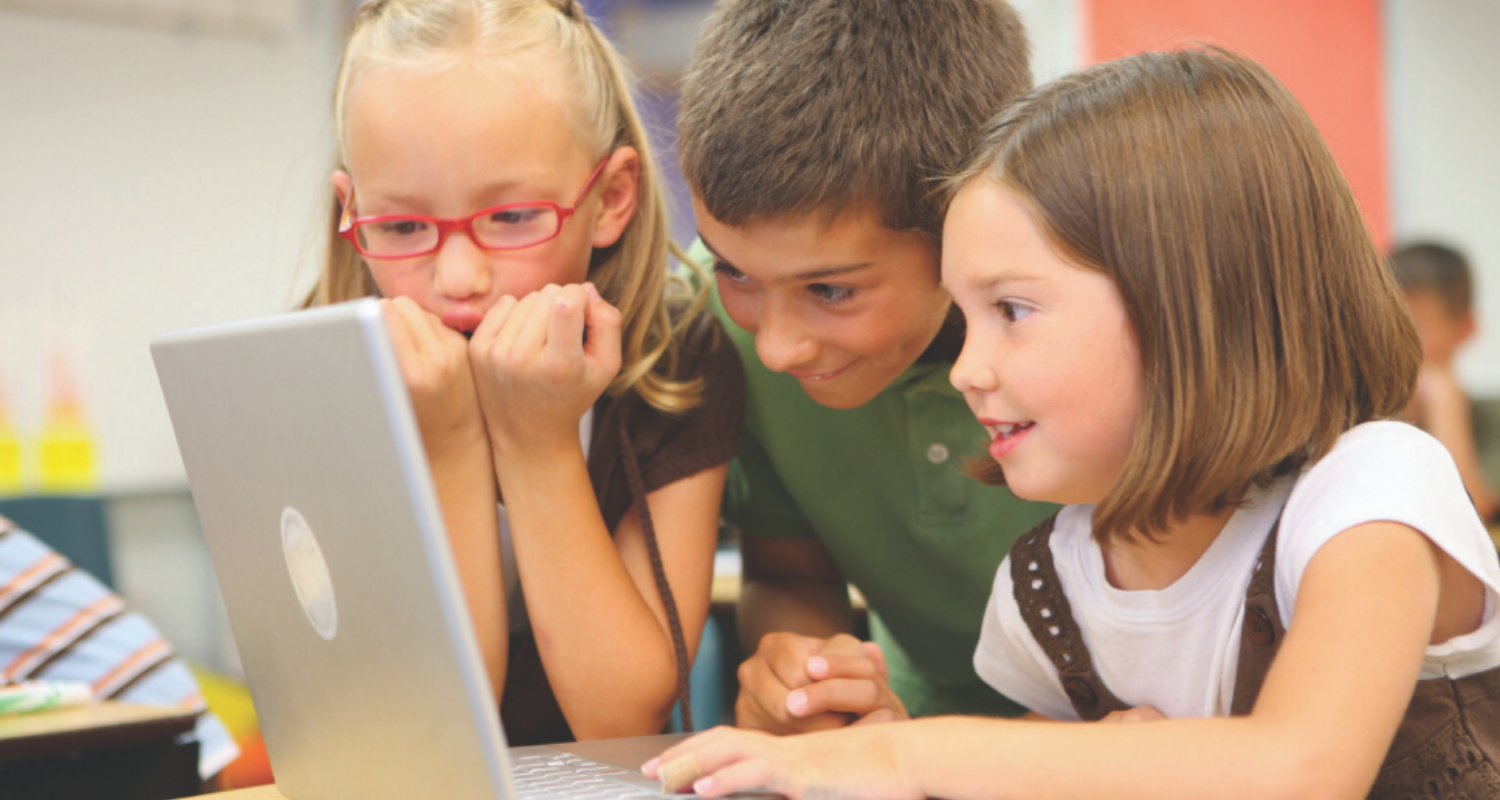
In today’s digital world, understanding how technology works is just as important as using it. “Build Real Coding Skills” is not about playing randomly with screens — it’s about helping young minds understand logic, structure, and problem-solving in a practical and meaningful way. When children learn to code, they are not just learning a programming language; they are learning how to think step by step, break down complex problems, and create solutions from scratch.
Research from institutions like MIT shows that early exposure to computational thinking improves analytical skills and strengthens logical reasoning. Coding teaches children to recognize patterns, test hypotheses, and refine their ideas through iteration. This mirrors the scientific method — experiment, observe, improve — and builds resilience when things don’t work the first time. Instead of fearing mistakes, students learn to debug them.
Real coding skills also develop creativity. When a child builds a small game, interactive story, or simple website, they move from being passive consumers of technology to active creators. According to studies published by Harvard University, creative problem-solving activities significantly improve cognitive flexibility in young learners. Coding combines logic and imagination — a rare and powerful combination that strengthens both sides of the brain.
Another important benefit is long-term opportunity. The World Economic Forum consistently lists programming and analytical thinking among the top future job skills. By learning coding foundations early — such as variables, loops, events, and conditions — children build a base that can later expand into web development, game development, artificial intelligence, or robotics. These are not just technical skills; they are career-enabling competencies.
At its core, building real coding skills means building confidence. When a student writes a program and sees it work, they experience a powerful sense of achievement. They learn that they can create something from nothing. That belief — “I can build this” — is what transforms a child from a user of technology into a future innovator.