
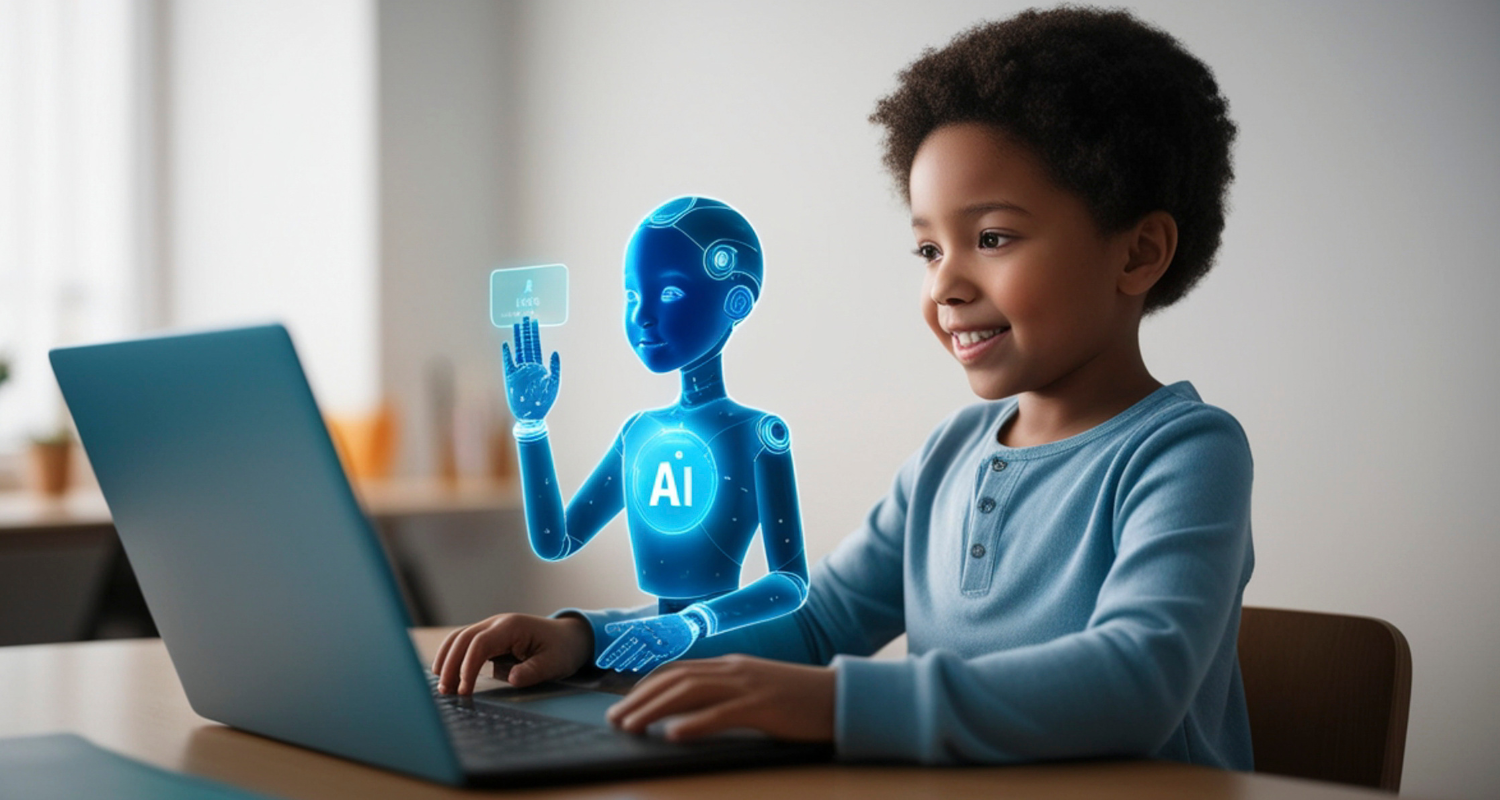
Artificial Intelligence (AI) is no longer science fiction — it is part of everyday life. From voice assistants to recommendation systems and smart search engines, AI shapes how we communicate, learn, and create. But understanding AI means more than just using it. It means learning how it works, what its limits are, and how to use it responsibly. When children understand AI, they gain insight into one of the most powerful technologies of the 21st century.
AI systems are built on mathematics, data, and algorithms. Organizations like Stanford University have published research showing how machine learning models improve by analyzing patterns in large datasets. In simple terms, AI “learns” from examples. Teaching kids the basics — such as data input, pattern recognition, and decision-making models — helps them understand that AI is not magic. It is built by humans, trained on data, and guided by logic.
Understanding AI also develops critical thinking. According to reports from UNESCO, AI literacy is becoming essential for digital citizenship. Children need to recognize bias in algorithms, understand privacy issues, and know how AI-generated content is created. When students learn how AI works behind the scenes, they become more thoughtful and responsible users of technology.
Beyond understanding, students can also create with AI. They can design chatbots, generate digital art, build smart game mechanics, or develop tools that solve real-world problems. Studies suggest that combining AI tools with creative tasks enhances innovation and problem-solving skills. Instead of replacing creativity, AI can amplify it — when guided by human intention and ethical awareness.
The goal is not to turn every child into an AI engineer. The goal is to empower them. When students understand how artificial intelligence works and learn how to create with it, they move from passive consumers of AI to informed creators. In a world increasingly shaped by intelligent systems, this knowledge gives them confidence, clarity, and the ability to shape the future rather than simply adapt to it.